
The Enchanting World of Indoor Bonsai Trees
Imagine a tiny, ancient-looking tree gracing your windowsill, its gnarled trunk and delicate branches whispering tales of time. This is the magic of bonsai, and bringing this art form indoors opens up a world of serene beauty and rewarding cultivation. Indoor bonsai trees aren’t just plants; they are living sculptures, meticulously shaped to mimic their majestic outdoor counterparts in miniature.
What Exactly Is Indoor Bonsai?
Indoor bonsai refers to tropical and subtropical tree species that are naturally adapted to warmer climates and cannot tolerate frost or prolonged cold. Unlike outdoor bonsai, which are often hardy deciduous or coniferous trees, these indoor varieties thrive in the consistent temperatures of our homes. While they still require specific care to mimic their natural environment, they offer a unique opportunity to enjoy the art of bonsai year-round.
Why Choose an Indoor Bonsai?
- Year-Round Beauty — Enjoy the calming presence of a living tree in your home throughout every season, regardless of the weather outside.
- Space-Saving Elegance—Bonsai are inherently small, making them perfect for apartments, smaller homes, or anyone seeking to add a touch of nature without taking up much space.
- A Rewarding Hobby — The art of bonsai is a journey of patience, observation, and creativity. Shaping and caring for your miniature tree can be incredibly fulfilling and meditative.
- Unique Home Decor — A well-styled indoor bonsai adds a sophisticated and natural element to any interior design, becoming a captivating focal point.
- Connection to Nature—Even in an urban environment, indoor bonsai allows you to cultivate a tangible connection with the natural world.
Popular Indoor Bonsai Species to Consider
The world of indoor bonsai is vast, but some species are particularly well-suited for beginners and experienced enthusiasts alike.
Ficus (Ficus retusa, Ficus benghalensis, Ficus microcarpa)
Famously robust and forgiving, Ficus varieties are excellent for newcomers. They tolerate a range of light conditions and are relatively easy to water. Their aerial roots can add a unique character.
Chinese Elm (Ulmus parvifolia)
While it can be grown outdoors in milder climates, the Chinese Elm adapts well to indoor conditions. It boasts small leaves and an attractive, gnarled trunk, making it a classic choice.
Schefflera — Dwarf Umbrella Tree (Schefflera arboricola)
Known for its distinctive umbrella-like leaf clusters, the Schefflera is a tolerant and attractive indoor bonsai. It thrives in bright, indirect light and is quite resilient.
Serissa—Snow Rose / Winter Rose (Serissa foetida)
Appreciated for its delicate white flowers that bloom sporadically throughout the year, the Serissa is a more delicate but rewarding species for those who can provide consistent care.
Jade Plant (Crassula ovata)
Though often grown as a succulent, the jade plant can be trained as a bonsai with its thick, woody branches and succulent leaves. It’s incredibly drought-tolerant.
Essential Care for Your Indoor Bonsai
Bringing the art of bonsai indoors requires understanding their unique needs.
Light
Most indoor bonsai thrive in bright, indirect light. A south- or east-facing window is often ideal. Some may tolerate lower light, but growth and health will be impacted.
Watering
This is crucial and often where beginners make mistakes. Overwatering is a common killer. Allow the top inch of soil to dry out between waterings. Use a chopstick or your finger to test moisture levels. Water thoroughly until water drains from the bottom.
Humidity
Indoor environments, especially with heating and air conditioning, can be very dry. Bonsai, particularly tropical species, appreciate higher humidity. You can achieve this by:
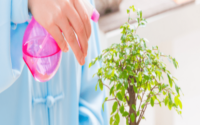
- Misting — Regularly mist the leaves (avoid direct sunlight right after misting).
- Humidity Tray — Place the pot on a tray filled with pebbles and water (make sure the pot isn’t sitting directly in the water).
- Grouping Plants—Clustering plants together creates a microclimate with higher humidity.
Soil
Bonsai soil is formulated for excellent drainage and aeration. It typically consists of a mix of akadama, pumice, lava rock, and organic material. Pre-mixed bonsai soil is readily available.
Fertilizing
During the growing season (spring and summer), feed your bonsai with a balanced liquid bonsai fertilizer diluted to half strength, typically every 2–4 weeks. Reduce or stop fertilizing in fall and winter.
Pruning and Shaping
This is the heart of bonsai artistry.
- Maintenance Pruning—Regularly trim back new growth to maintain the tree’s shape and encourage denser foliage.
- Structural Pruning—More drastic pruning of branches to create the desired silhouette.
- Wiring—Gently wrap wire around branches to bend and shape them. This requires skill and caution.
Repotting
Indoor bonsai need to be repotted every 1–3 years, typically in spring, to refresh the soil, trim the roots, and encourage healthy growth.
Finding Your First Indoor Bonsai
- Specialty Nurseries — Look for local nurseries that specialize in bonsai. They often have knowledgeable staff who can guide you.
- Online Retailers — Many reputable online stores offer a wide selection of indoor bonsai trees and supplies.
- Gardening Centers — Larger gardening centers may carry a basic selection, but variety and quality can vary.
Embark on Your Bonsai Journey
Creating an indoor bonsai garden is a journey of continuous learning and connection. With a little patience, dedication, and the right knowledge, you can cultivate these miniature marvels and bring a piece of timeless nature into your home. Start small, enjoy the process, and let the art of bonsai transform your living space into a tranquil oasis.